Velkommen til foredrag 28. OKTOBER Kl. 18:00
“Fotohistorie uten fotografier”
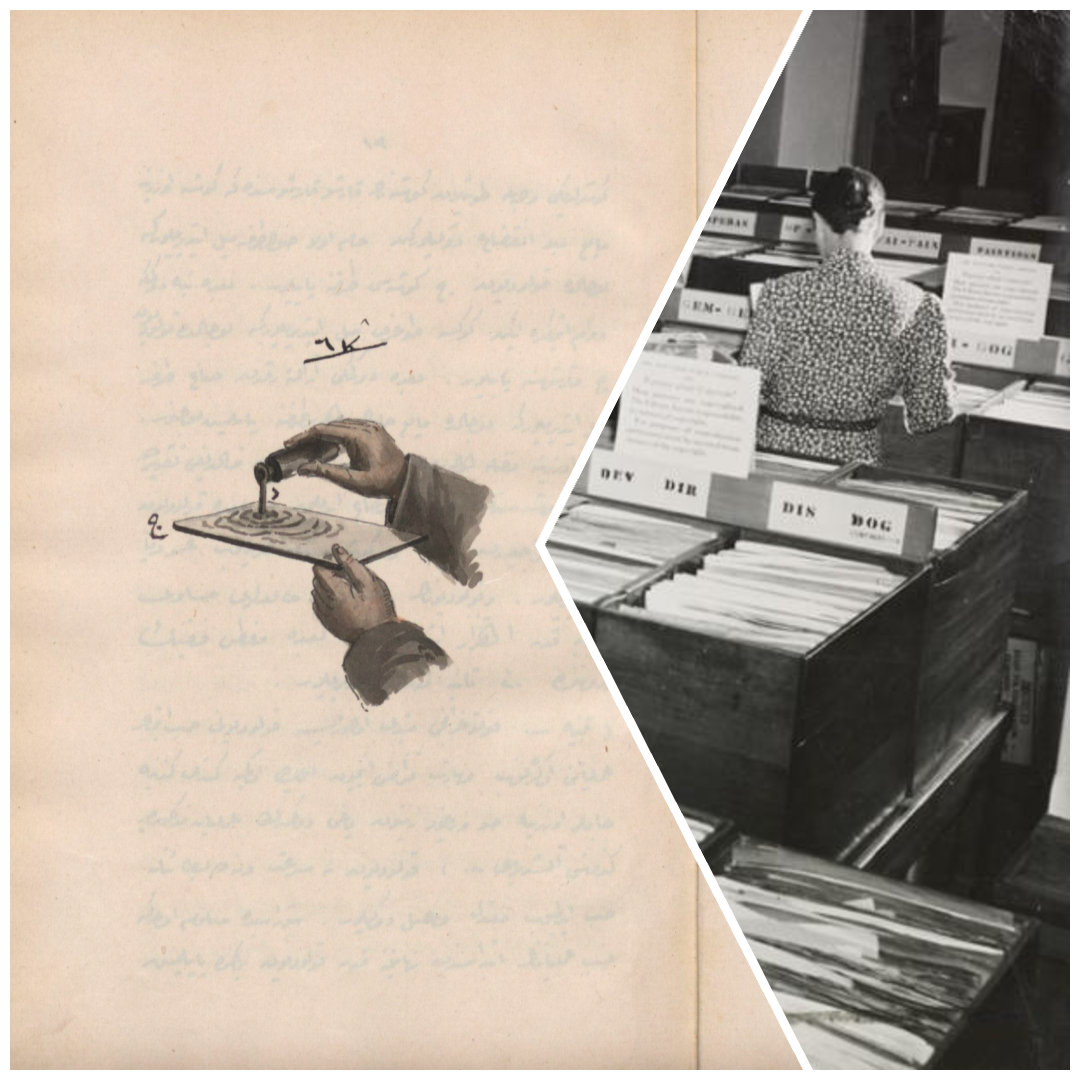
Norsk fotohistorisk forening inviterer, i samarbeid med kunsthistorie og visuelle studier ved Institutt for filosofi, ide- og kunsthistorie og klassiske språk ved Universitetet i Oslo, til foredrag med fotohistoriker Idil Cetin, som jobber som forsker samme sted. Cetin leder forskningsprosjektet "Photography as a Survival and Diaspora-Building Tool in the Aftermath of 1915", med støtte fra Norges forskningsråd. Hun har nylig utgitt boken İktidarın Görsel Repertuarı: Lider Kültünün İnşasında Mustafa Kemal Atatürk Fotoğrafları, 1912-1950 (The Visual Repertoire of Power: Photographs of Mustafa Kemal Atatürk in the Construction of the Leader Cult, 1912-1950).
Cetin skal snakke om å skrive «fotohistorie uten fotografier». Det vil si, en fotohistorie basert på de økonomiske, sosiale og klassemessige dimensjonene som omgir den fotografiske praksisen. Hun vil følge ulike praksiser rundt fotografiet i det nittende århundrets Ottomanske rike, samt disses globale utviklingslinjer inn i det tjuende århundret. Foredraget vil bli holdt på engelsk.
TID OG STED:
Tirsdag 28.10 2025 kl 18.00 Foredraget tar ca 45 minutter, med muligheter for spørsmål og diskusjon etterpå.
Domus Academica, Karl Johans gate 47. Auditorium 5
History of Photography Without Photographs
The history of photography is often told through images that evoke nostalgia for vanished worlds. Yet producing an image in the 19th century was a labor-intensive, chemically complex, and collaborative task—one shaped by specific class backgrounds due to the time, expertise, and resources it required. To ignore the economic, social, and class dimensions of the practice is to miss how unevenly it was distributed. Reconstructing this history is complicated further by the scarcity of surviving records—both images and documentation—especially in the Middle East, where visual histories are entangled with episodes of state violence. This talk traces photography’s differentiated practices in the 19th-century Ottoman Empire through the work of Armenian photographers, before turning to the 20th century to examine their global trajectories. Along the way, it reflects on the challenges of writing a history of photography without photographs: focusing instead on the social history that underpinned the practice, grappling with the difficulties posed by missing records, or confronting the absence of contextual information even when images survive in abundance.